Thứ Tư, 01/08/2018, 11:22 (GMT+7)
Tác giả:
Thanh Duc Nguyen1 · Hiroshi Nishimura1 · Tomoya Imai1 · Takashi Watanabe1 · Yohsei Kohdzuma2 · Junji Sugiyama1,3
1 Research Institute for Sustainable Humanosphere, Kyoto University, Uji, Kyoto 611-0011, Japan
2 Nara National Research Institute for Cultural Properties, Center for Archaeological Operation, 247-1 Saki-cho, Nara 630-8577, Japan
3 Forestry University, Nanjing 210037, China
Tóm tắt
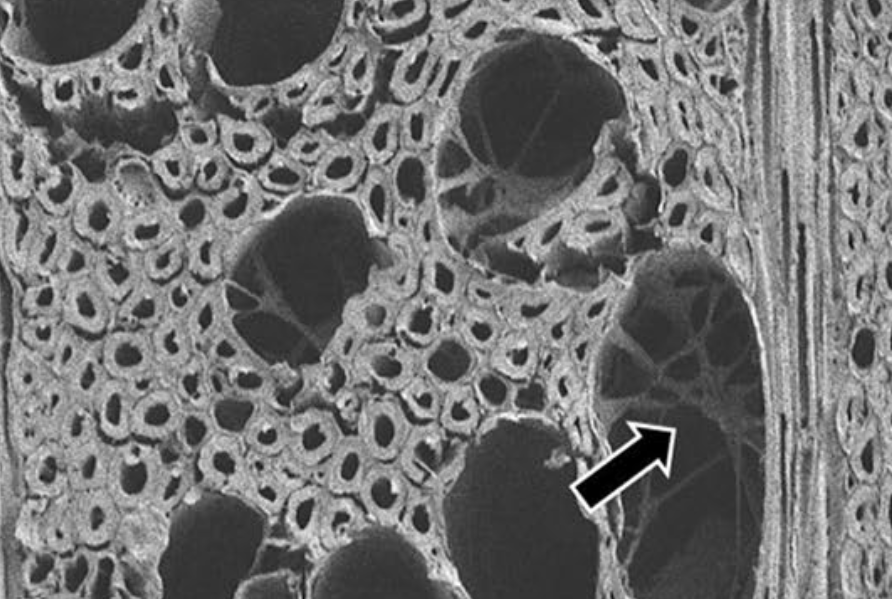
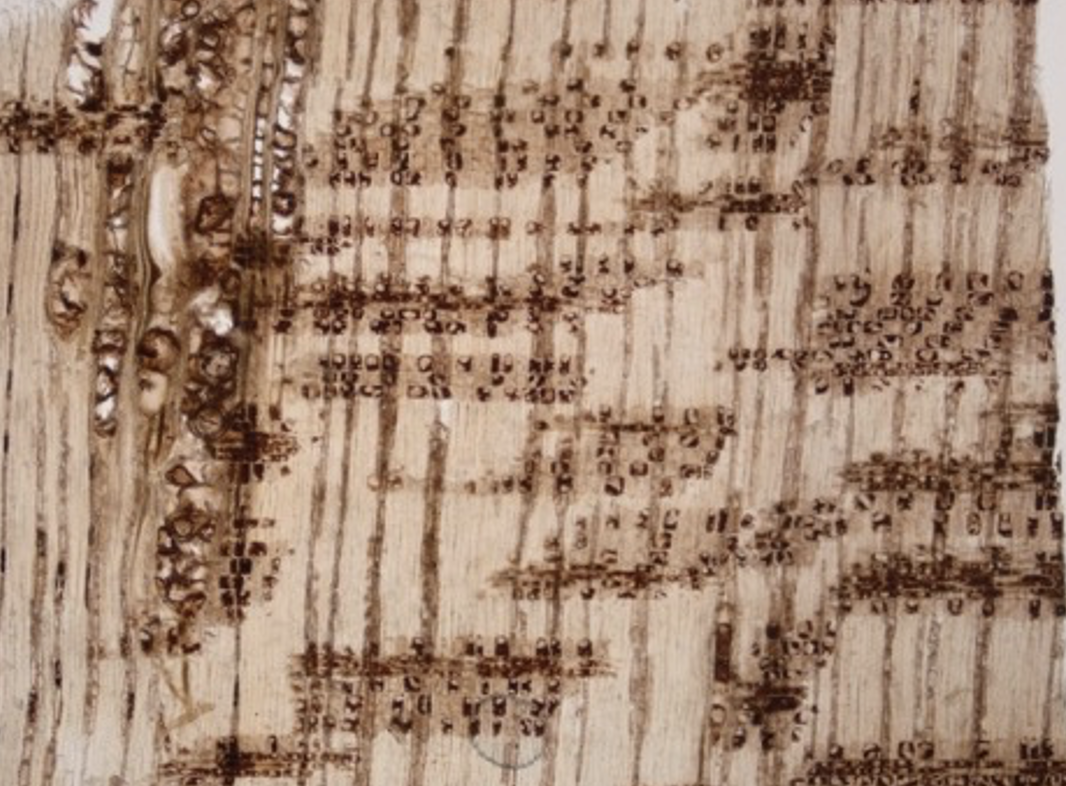
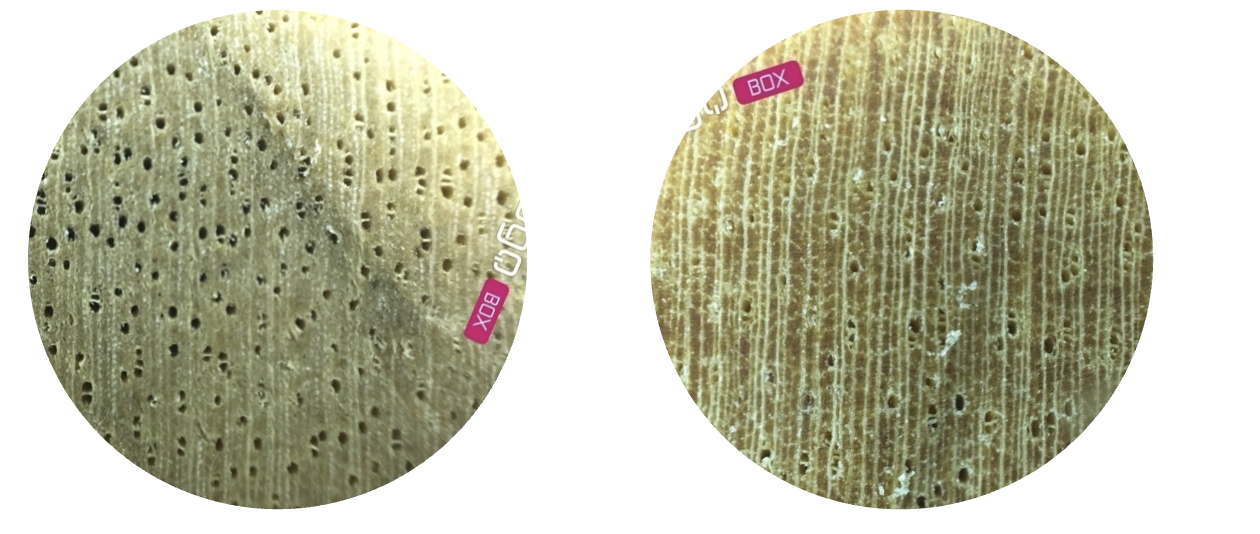
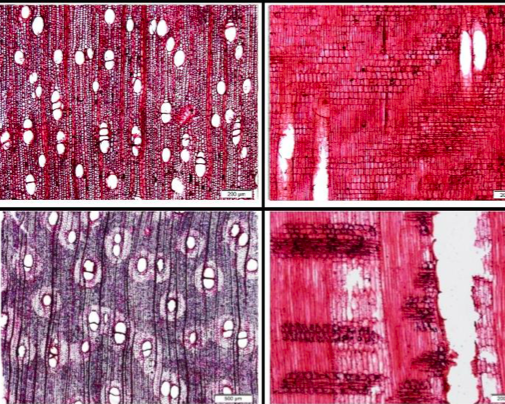
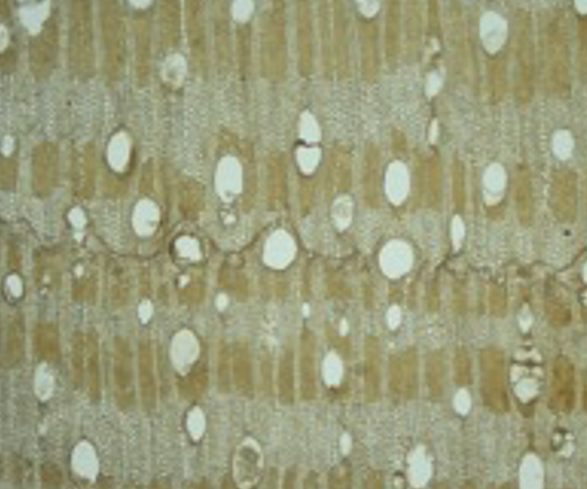
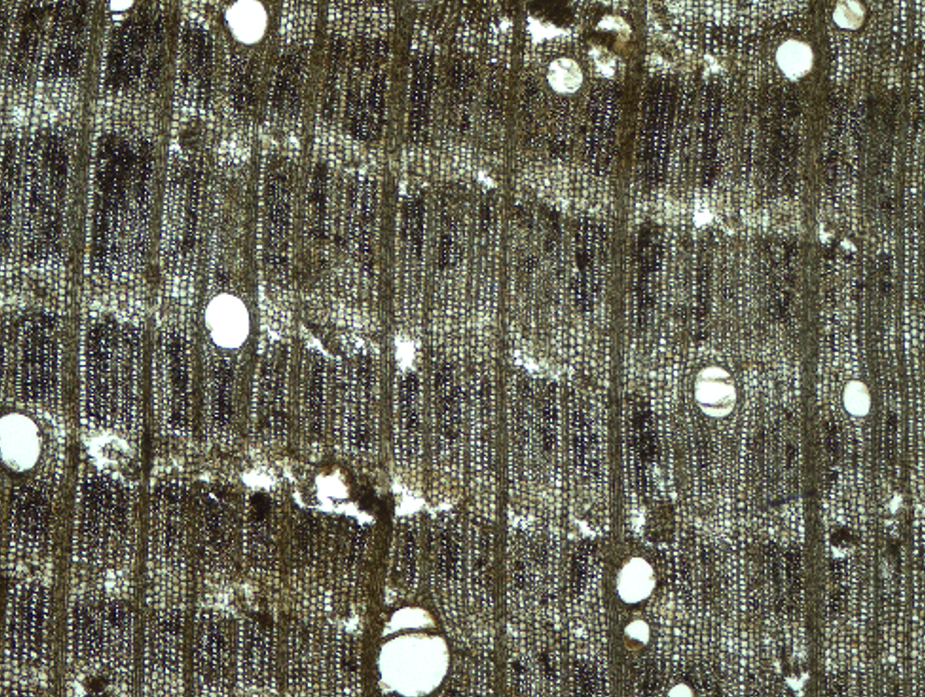
Độ bền tự nhiên của gỗ Lim xanh (Erythrophleum fordii Oliver) trước sự phân hủy của nấm mục trắng Phanerochaete sordida và Phanerochaete chrysosporium đã được nghiên cứu. Trong nghiên cứu này, Fagus crenata Blume (gỗ sồi Nhật Bản) được chọn làm loài gỗ tham chiếu. Kết quả cho thấy cả hai loại nấm đều gây ra tổn thất khối lượng dưới 2% ở gỗ E. fordii, trong khi sự phân hủy gỗ sồi do P. chrysosporium và P. sordida lần lượt là khoảng 12 và 14%. Quan sát bằng kính hiển vi cho thấy mật độ cấu trúc cao của gỗ E. fordii. Chỉ quan sát thấy sợi nấm trong lòng mạch và tế bào nhu mô, trong khi các sợi không bị ảnh hưởng. Sợi gỗ E. fordii bao gồm các sợi có thành dày được hóa gỗ cao với lòng sợi gần như khép kín hoàn toàn. Đánh giá cộng hưởng từ hạt nhân đơn lượng tử dị nhân hai chiều cho thấy gỗ E. fordii có cấu trúc lignin cô đặc cao được phản ánh qua các lớp độ bền. Những thông số độc đáo này có thể đóng vai trò quan trọng đối với khả năng kháng thuốc tự nhiên cao của E. fordii.
Link: https://jwoodscience.springeropen.com/articles/10.1007/s10086-018-1704-1