Thứ Tư, 01/08/2018, 15:11 (GMT+7)
Tác giả
Thanh Duc Nguyen1 · Yohsei Kohdzuma2 · Rie Endo3 · Junji Sugiyama1,4
- 1 Research Institute for Sustainable Humanosphere, Kyoto University, Gokasho, Uji, Kyoto 611-0011, Japan
- 2 Nara National Research Institute for Cultural Properties, 2-9-1 Niyo-cho, Nara City 630-8577, Japan
- 3 Toyo Feather Industry Co. Ltd., 2-26-5, Fuchinobe, Chuo Ward, Sagamihara, Kanagawa 252-0206, Japan
- 4 College of Materials Science and Engineering, Nanjing Forestry University, Nanjing 210037, China
Tóm tắt
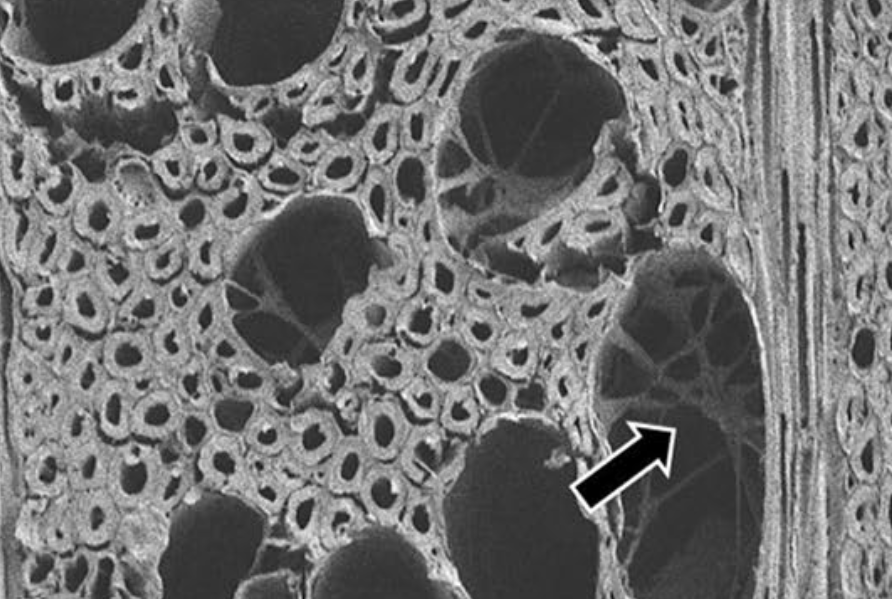
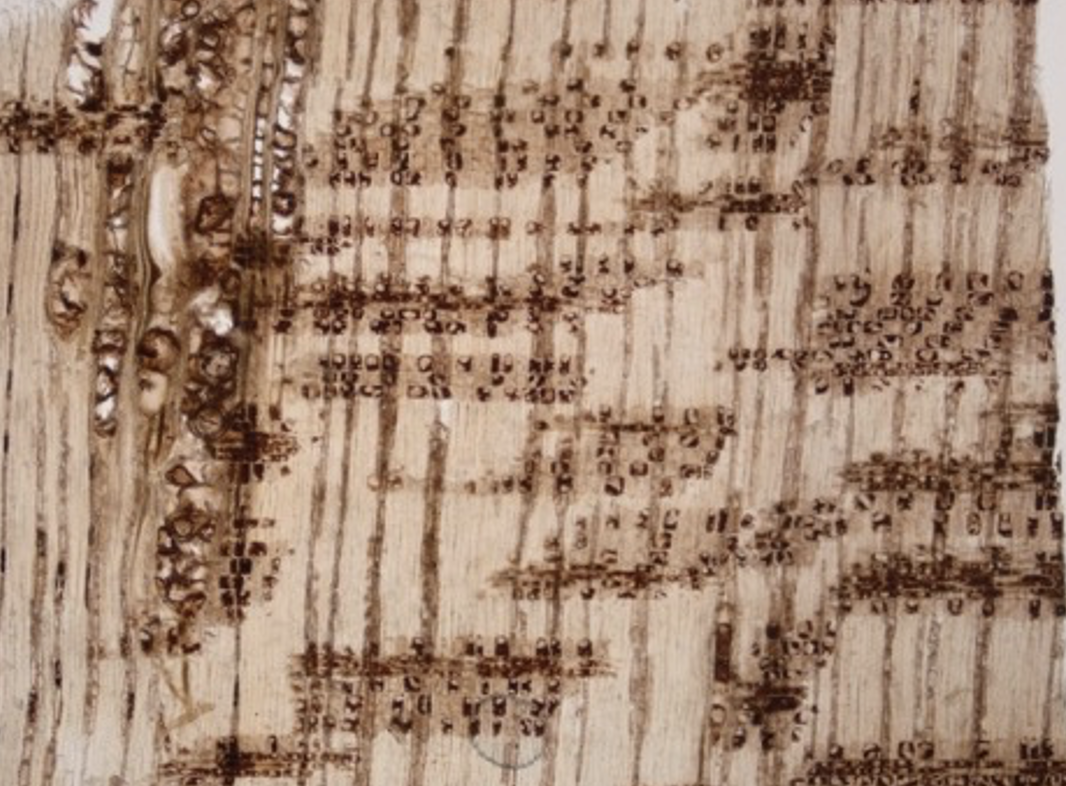
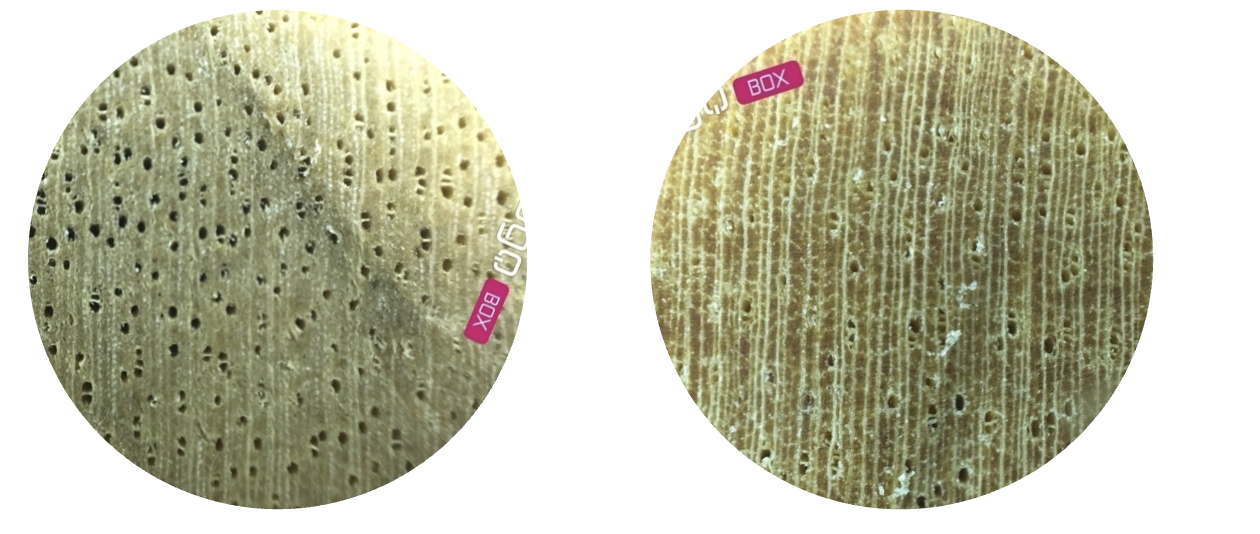
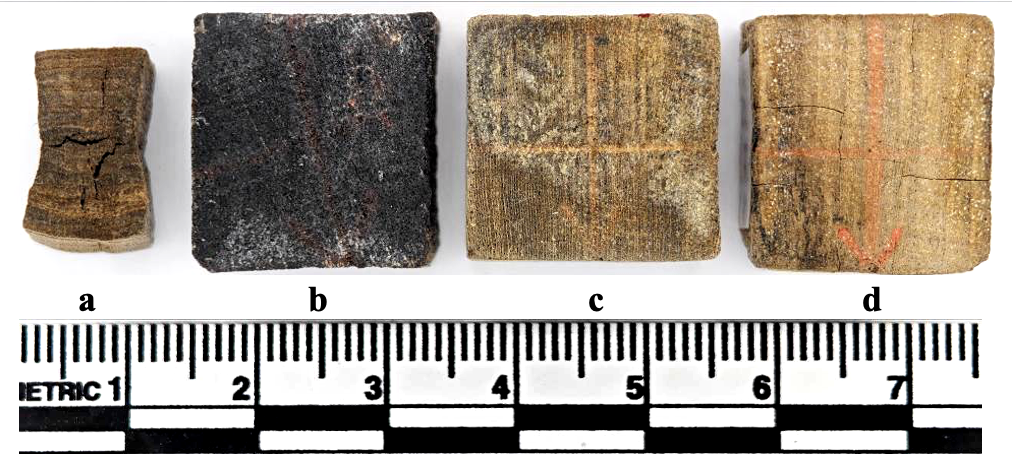
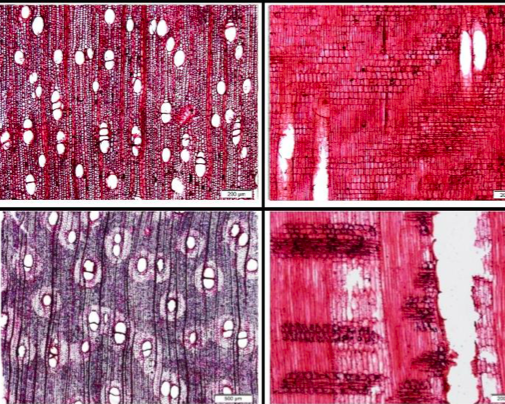
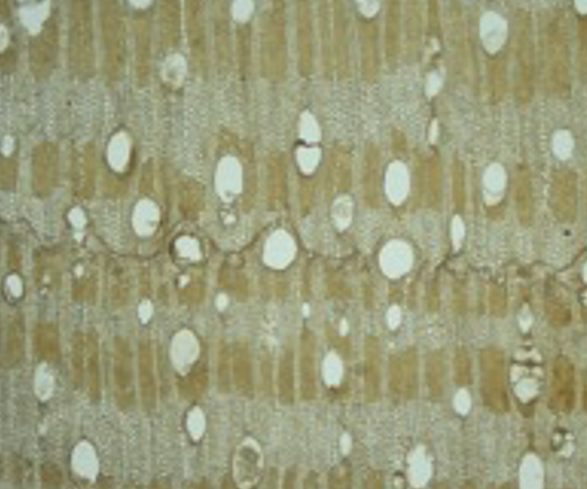
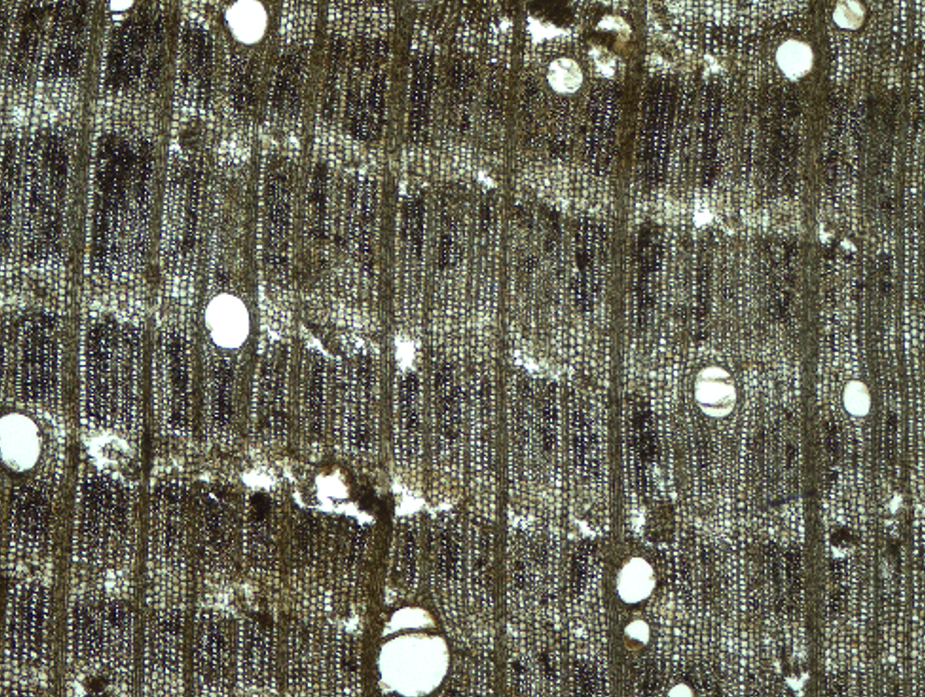
In this article, the conservation of seven archeological waterlogged woods (WW) with polyethylene glycol (PEG) 4000, trehalose, and feather keratin was investigated. The results showed that the dimensional stability of WWs significantly improved after the different treatments. The anti-shrink efficiency values of the WWs treated with keratin ranged between 72.5 and 96.2% depending on the species and degree of wood degradation. These values varied from 82.4 to 96.9% for the WWs treated with PEG or trehalose. Microscopic observations showed that the chemically-treated woods maintained their original cell structures, forms, and shapes. It was also revealed that the reinforcement of cell walls by the feather keratin treatment was different from those observed for the PEG or trehalose treatments. It was observed that PEG and trehalose primarily filled the wood voids, while keratin predominantly absorbed on the cell walls and middle lamellae. Based on the improved dimensional stability of wood, shortened impregnation time, removability of chemical, and esthetic results obtained from the treatment, keratin showed a good performance in average as a preservation agent.
Link: https://jwoodscience.springeropen.com/articles/10.1007/s10086-018-1719-7