Thứ Tư, 30/10/2024, 23:23 (GMT+7)
TÓM TẮT
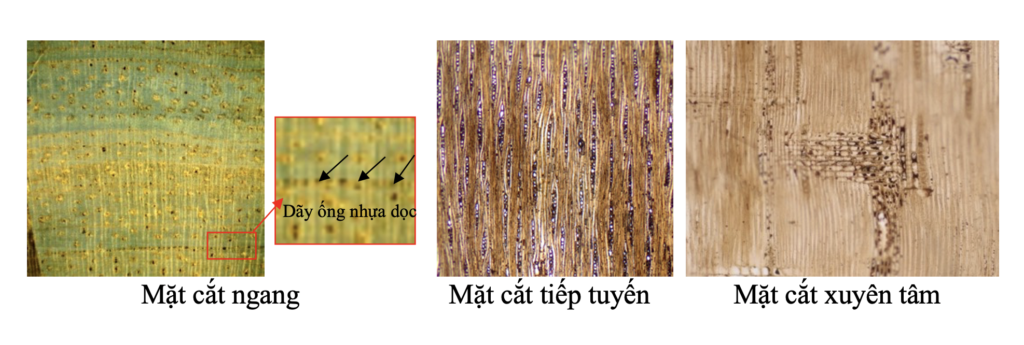
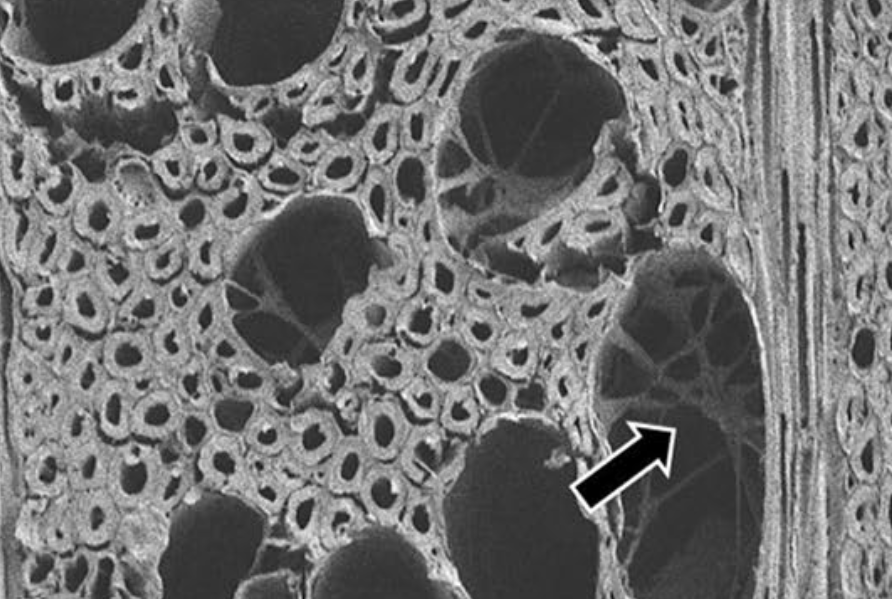
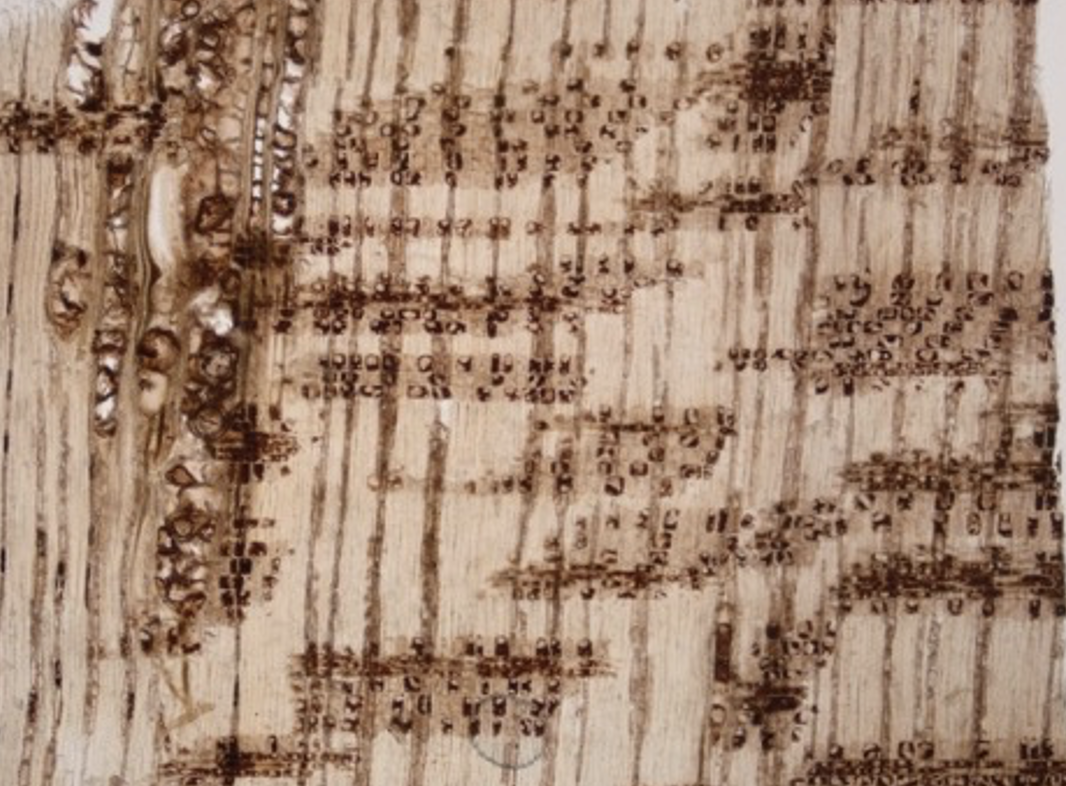
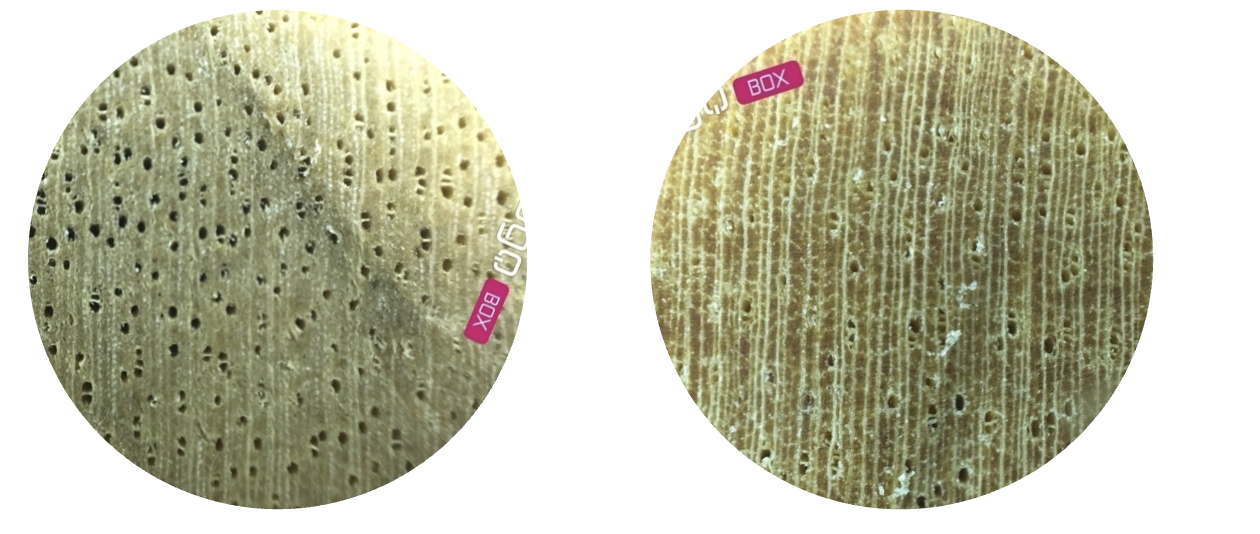
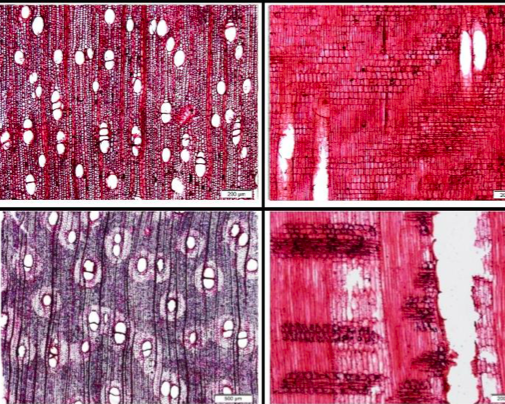
Bài báo trình bày kết quả định loại gỗ và đánh giá hiện trạng phân hủy gỗ khảo cổ khai quật tại khu di tích Hoàng thành Thăng Long được tiến hành trong năm 2022. Kết quả đánh giá trên 848 mẫu gỗ khảo cổ cho thấy sự đa dạng về loài gỗ và mức độ phân hủy của các mẫu này. Kết quả xác định cho thấy có 17 loài gỗ: Cau (Areca catechu), Mít (Artocarpus sp.), Dâu da đất (Baccaurea ramiflora), Chè (Camellia sp.), Dẻ (Castanopsis tribuloides), Lim (Erythrophleum fordii), Sung (Ficus racemosa), Sến (Madhuca sp.), Xoài (Mangifera indica), Xoan (Melia azedarach L.), Giổi (Michelia sp.), Thông (Pinus sp.), Thông tre (Podocarpus sp.), Bồ hòn (Sapindus sp.), Gụ (Sindora siamensis), Chiêu liêu (Terminalia sp.), Táu (Vatica sp.). Kết quả đánh giá mức độ phân hủy cho thấy các mẫu gỗ nghiên cứu đều nằm trong cả 3 nhóm hiện trạng: phân hủy nhẹ, phân hủy trung bình và phân hủy nặng. Một số loài gỗ thường bị phân hủy nặng bao gồm: Dâu da đất (Baccaurea ramiflora), Sung (Ficus racemosa), Xoan (Melia azedarach L.), Bồ hòn (Sapindus sp.). Trong khi đó, những loài gỗ thông dụng như: Lim (Erythrophleum fordii), Sến (Madhuca sp.), Táu (Vatica sp.), Gụ (Sindora siamensis), Chè (Camellia sp.) bị phân hủy ở cả 3 cấp độ, với tỉ lệ trung bình khoảng 33%. Kết quả nghiên cứu này làm cơ sở để xây dựng quy trình xử lý bảo tồn lâu dài cho từng loài gỗ theo các cấp độ phân hủy khác nhau của hiện vật gỗ.
Từ khóa: Gỗ khảo cổ ngập nước × Khối lượng riêng × Độ ẩm × Phá hủy × Xử lý bảo tồn