Thứ Sáu, 03/08/2018, 11:11 (GMT+7)
Tác giả: Nguyễn Đức Thành
Gỗ khảo cổ ngập nước (WW) là một phần quan trọng của nguồn tài nguyên khảo cổ vì nó cung cấp bằng chứng về nguyên liệu thô chính được sử dụng cho các công trình, hiện vật và nhiên liệu trong suốt phần lớn sự tồn tại của con người. Do đó, bảo tồn di sản văn hóa là điều cơ bản để truyền tải văn hóa, truyền thống, cách suy nghĩ và hành xử cho các thế hệ tương lai. Việc bảo tồn có tác động ấn tượng đến xã hội theo quan điểm chính trị, xã hội học và nhân học. Các biện pháp bảo tồn nhằm kéo dài tuổi thọ của các tài sản văn hóa, mà không làm suy giảm thông tin và giá trị mà chúng chứa đựng.
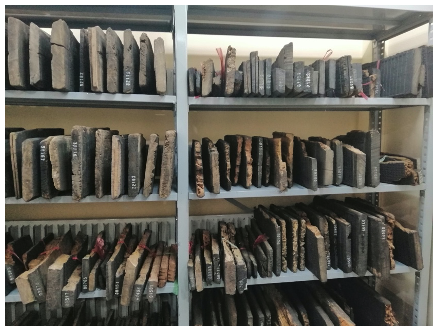
Có một số địa điểm khảo cổ đã được phát hiện ở Việt Nam như xác tàu đắm cổ dưới đáy biển ở miền Nam Việt Nam, hiện vật bằng gỗ dưới lòng đất tại di tích Thăng Long – Hà Nội, bãi cọc Bạch Đằng – Quảng Ninh, v.v. Trong số đó, Hoàng thành Thăng Long là một trong những di sản quan trọng nhất và đã được Ủy ban Di sản Thế giới của UNESCO đưa vào danh sách Di sản Thế giới vào năm 2010. Trong quá trình điều tra khảo cổ học, một số lượng đáng kể các hiện vật bằng gỗ đã được khai quật từ di tích khảo cổ Hoàng thành Thăng Long. Một số hiện vật gỗ vẫn được chôn vùi tại chỗ trong khi một số khác được khai quật khỏi địa điểm này. Những di sản văn hóa bằng gỗ này liên tục bị đe dọa bởi các tác động môi trường vì các biện pháp bảo vệ lâu dài chưa được thực hiện. Với tình trạng di sản hiện tại, cần áp dụng biện pháp bảo tồn ngay lập tức để bảo tồn các hiện vật này. Do đó, việc bảo tồn các di tích văn hóa tại khu vực Hoàng thành Thăng Long là một trong những kế hoạch quan trọng do Chính phủ Việt Nam đưa ra.
Bảo tồn di sản khảo cổ học thường là một công việc khó ở Việt Nam. Nguyên nhân là do các phương pháp bảo tồn chung không thể áp dụng cho gỗ di sản nhiệt đới của Việt Nam. Do đó, luận án này nhằm mục đích thiết lập công nghệ bảo quản phù hợp cho gỗ di sản thu được từ khu vực Hoàng thành Thăng Long, Hà Nội, Việt Nam.
Chương 1 giới thiệu bối cảnh nghiên cứu, mục tiêu và phác thảo của nghiên cứu. Ngoài ra, chương này cũng giới thiệu các phương pháp xử lý bảo tồn hiện đang được áp dụng cho gỗ di sản.
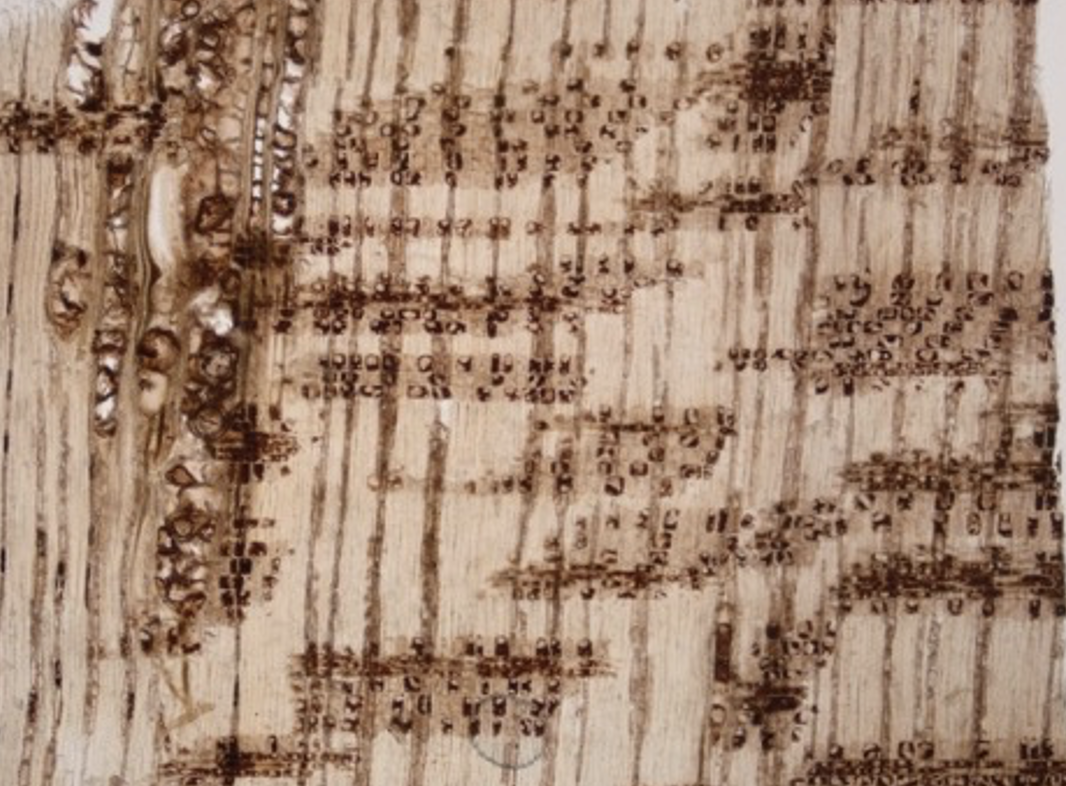
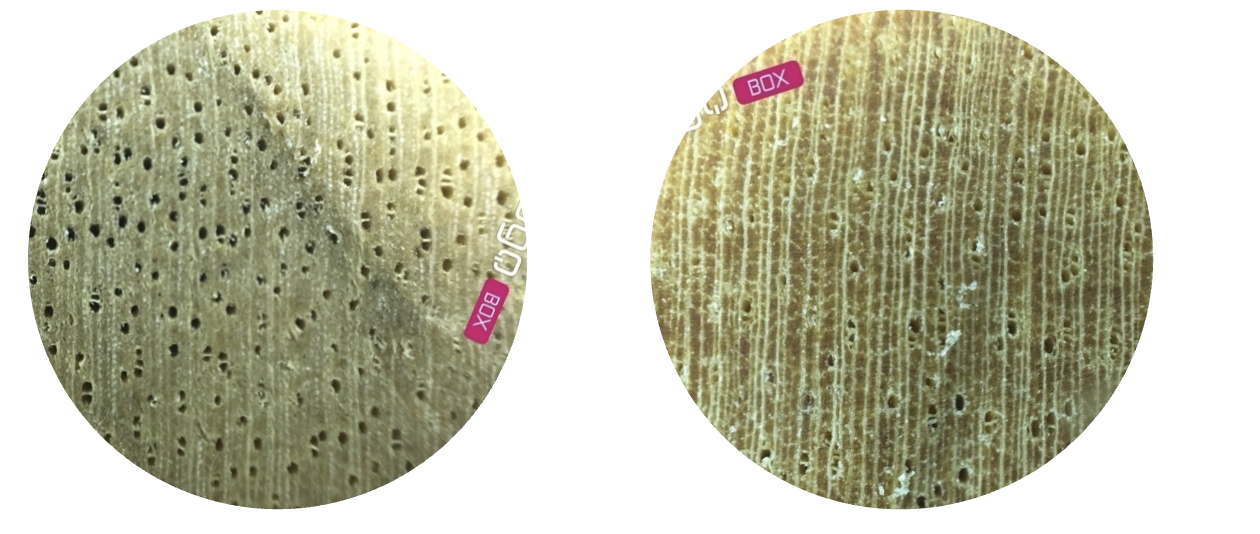
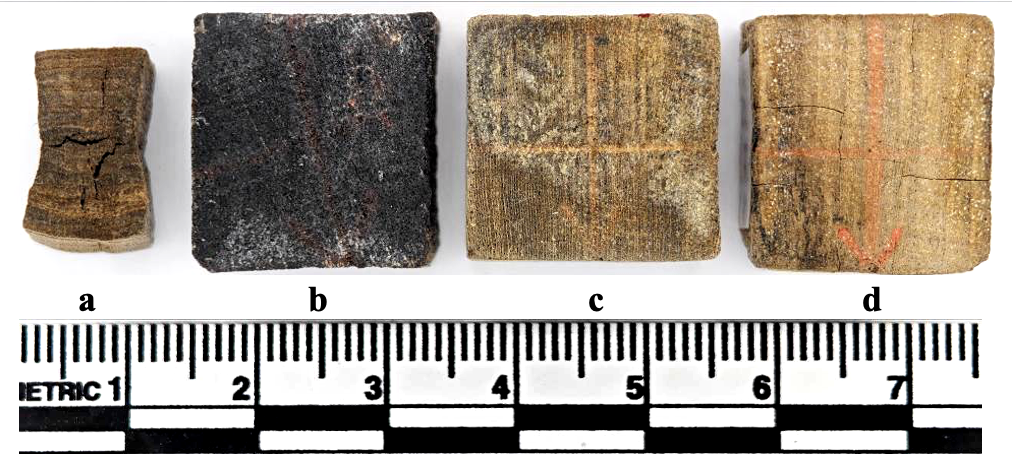
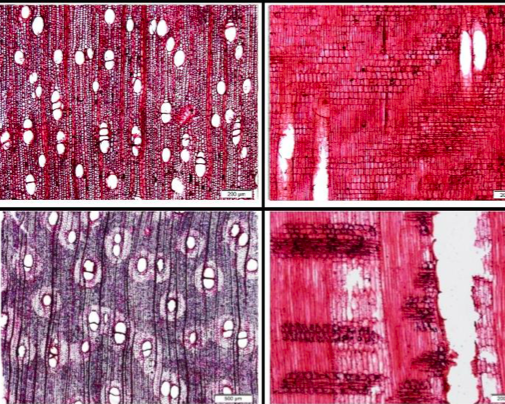
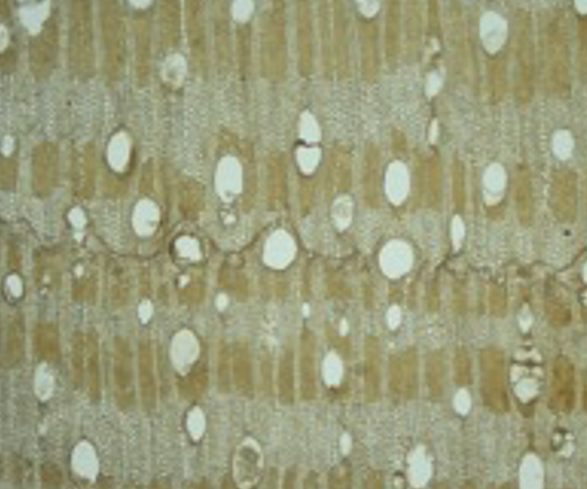
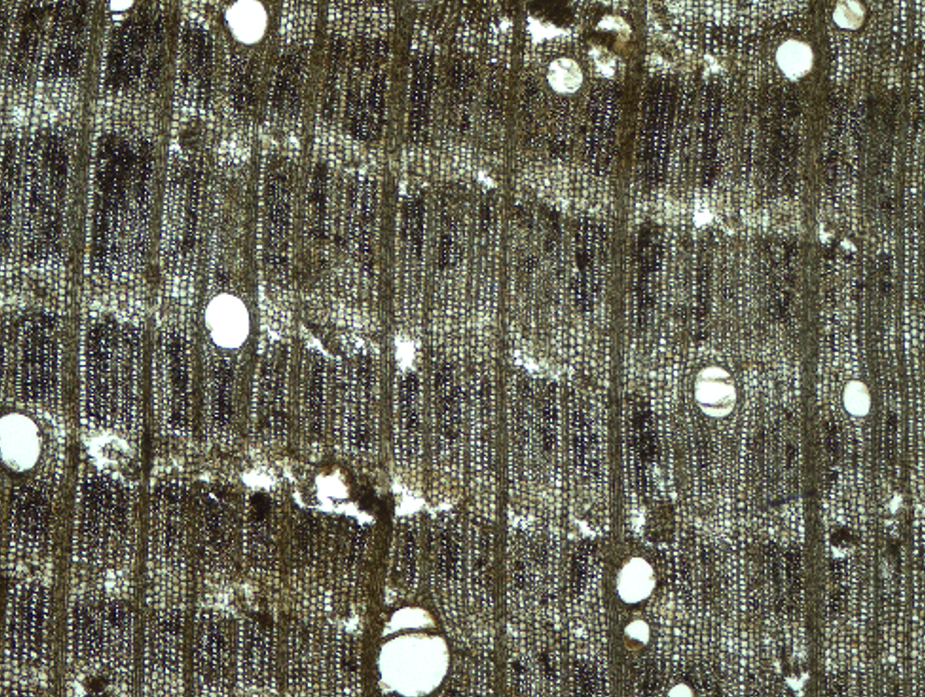
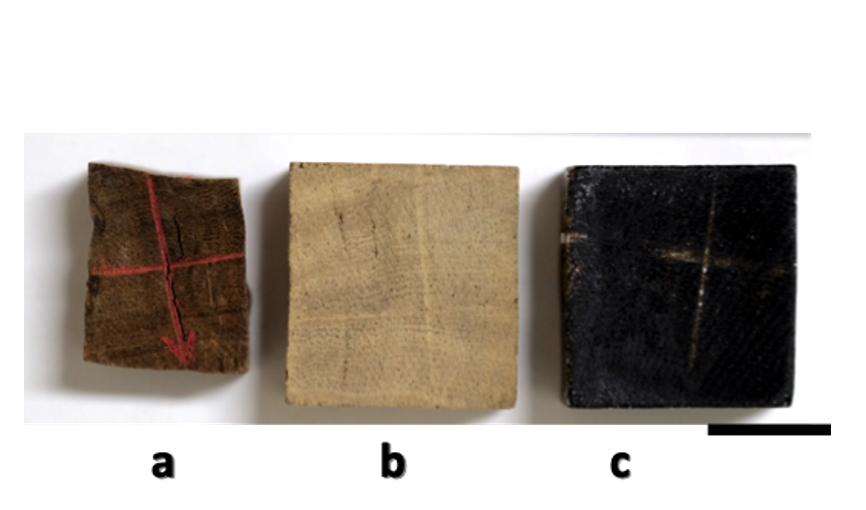
Chương 2 tóm tắt quá trình xác định loài và đặc tính lý hóa của 15 mẫu gỗ cứng ngập nước thu được từ khu vực khảo cổ học Thăng Long. Các đặc điểm giải phẫu cho thấy những mẫu này thuộc 10 chi khác nhau. Các phép đo về đặc điểm vật lý và hóa học của gỗ khảo cổ cho thấy mức độ thoái hóa gỗ khác nhau. Phân tích hóa học cũng xác nhận mức độ thoái hóa gỗ. Điều thú vị là sự thoái hóa của gỗ Lim – Erythrophleum fordii Oliv. rất hạn chế ngay cả sau vài trăm năm chôn vùi dưới đất.
Chương 3, độ bền tự nhiên của gỗ Lim xanh (E. fordii) chống lại nấm mục trắng đã được thực hiện để làm sáng tỏ trạng thái bảo quản tuyệt vời của loại gỗ này trong đất và để xác định các quy trình thích hợp để bảo quản loại gỗ này. Kết quả cho thấy độ cứng cấu trúc cao của gỗ E. fordii. Sợi gỗ E. fordii bao gồm các sợi có thành dày được lignin hóa nhiều với lòng sợi gần như hoàn toàn khép kín. Đánh giá cộng hưởng từ hạt nhân – 2D HSQC NMR cho thấy gỗ E. fordii có cấu trúc lignin cô đặc nhiều được phản ánh qua các cấp độ bền.
Chương 4. Các phương pháp xử lý bảo quản chung sử dụng PEG4000, trehalose và keratin đã được thử nghiệm. Kết quả cho thấy độ ổn định về kích thước của gỗ khảo cổ được cải thiện đáng kể sau các phương pháp xử lý. Giá trị hiệu quả chống co ngót (ASE) của gỗ khảo cổ được xử lý bằng keratin dao động từ 72,5% đến 96,2% tùy thuộc vào loài và mức độ thoái hóa của gỗ. Các giá trị này dao động từ 82,4% đến 96,9% đối với gỗ khảo cổ được xử lý bằng PEG4000 hoặc trehalose. Quan sát bằng kính hiển vi cho thấy gỗ được xử lý bằng hóa chất vẫn giữ nguyên cấu trúc tế bào, hình dạng và hình dạng ban đầu. Người ta cũng phát hiện ra rằng việc gia cố thành tế bào bằng cách xử lý keratin lông vũ khác với những gì quan sát được đối với xử lý bằng PEG4000 hoặc trehalose. Người ta quan sát thấy PEG4000 và trehalose chủ yếu lấp đầy các lỗ rỗng của gỗ, trong khi keratin chủ yếu được hấp thụ trên thành tế bào và phiến giữa. Dựa trên tính ổn định kích thước được cải thiện của gỗ, thời gian tẩm ngắn hơn, khả năng loại bỏ hóa chất và kết quả thẩm mỹ thu được từ quá trình xử lý, keratin cho thấy hiệu suất tốt trung bình như một vật liệu bảo quản.
Chương 5. Để thiết lập các điều kiện xử lý phù hợp cho WW của Việt Nam, các hệ số khuếch tán trạng thái ổn định của PEG4000, trehalose và keratin lông vũ thông qua tám loài WW đã được thực hiện. Các hệ số khuếch tán bị ảnh hưởng mạnh bởi các loài gỗ, cấu trúc dị hướng của gỗ, tác nhân bảo quản. Dựa trên hệ số khuếch tán, thời gian tẩm dự kiến cho các phương pháp xử lý ngâm ngập-khuếch tán
Link: https://repository.kulib.kyoto-u.ac.jp/dspace/bitstream/2433/235379/1/rishsh_01400_a.pdf